
Introduction: Why Community-Led Conservation Matters in Norway
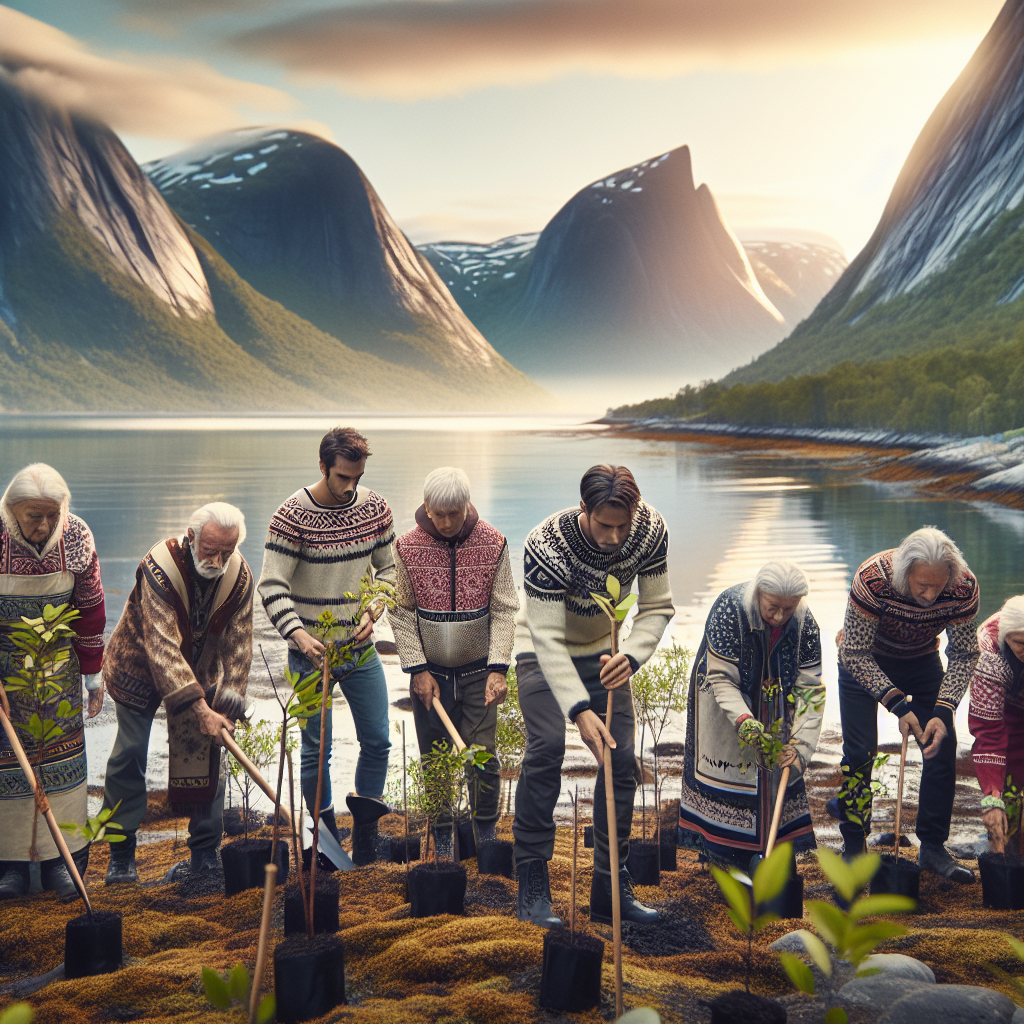
Norway’s dramatic fjords, alpine plateaus and coastal habitats are a living legacy shared by communities, Indigenous Sami custodians, local governments and visitors. Conservation that succeeds over the long term blends scientific monitoring, traditional ecological knowledge, local stewardship and practical behaviour change. This article explores community-led conservation approaches that work in Norway, how urban and rural initiatives connect, and simple actions residents and visitors can adopt to protect landscapes and wildlife.
Core Principles of Community-Led Conservation
Effective local conservation rests on a few repeatable principles that communities across Norway are applying:
- Local ownership: People who live and work in a place take responsibility for its stewardship.
- Knowledge mixing: Combining Sami traditional knowledge with modern ecological science improves outcomes.
- Practical incentives: Conservation must align with livelihoods and daily life to be sustainable.
- Cross-sector partnerships: Municipalities, NGOs, businesses and researchers collaborate for scaled impact.
Successful Community Models in Norway
Across Norway, community groups lead habitat restoration, species monitoring and visitor education. Several patterns appear repeatedly:
Volunteer stewardship and local monitoring
Volunteer groups monitor nesting birds, remove invasive plants and restore riparian zones. Local monitoring not only provides rich data for conservation science, it builds a constituency for continued protection. Tools like community mapping and simple smartphone reporting platforms make it easier for volunteers to contribute meaningful information.
Sami-led landscape management
Sami communities contribute pastoral knowledge, seasonal movement strategies and customary rules that reduce overuse and protect biodiversity. Integrating Sami governance and land-use practices into broader conservation planning enhances resilience, particularly for migratory species and tundra habitats.
Urban conservation and green corridors
Even in Norwegian towns, community efforts such as urban greenway projects, native planting in schoolyards and watercourse restoration create habitat pockets that support pollinators and birds. Urban corridors also facilitate safe movement of animals and improve residents’ quality of life.
How Technology and Mobility Tie into Conservation
Technology companies and mobility innovators influence how people move, where they live, and the pressure on natural areas. Thoughtful transport solutions reduce emissions and vehicle-wildlife collisions while making remote areas more accessible without degrading them.
To explore how tech shapes sustainable movement across cities, see How Norwegian Tech Startups Are Shaping Sustainable Urban Mobility. Local conservation planners can partner with mobility innovators to design routes, charging infrastructure and public-transport options that lower the footprint of travel and help manage visitor flows to sensitive areas.
Responsible Tourism as a Conservation Tool
Tourism provides revenue that can fund conservation, but only when visitors behave responsibly and when guides follow ethical practices. Responsible tourism programs reinvest in communities, enforce low-impact guidelines and provide interpretive education that strengthens stewardship.
For guidance on ethical wildlife viewing and visitor conduct, see Responsible Wildlife Tours in Norway: Ethical Viewing and Guide Tips. Community groups often train local guides to deliver both safe wildlife viewing and clear conservation messaging.
Practical Actions for Residents and Visitors
Here are concrete, attainable steps people can take to support local conservation:
- Participate in a local volunteer stewardship group or citizen science project.
- Support market choices that reduce habitat pressure—buy local, choose sustainable seafood and prioritize services that pay for habitat protection.
- When choosing a vehicle for rural or urban life, learn about what to consider when buying a car—fuel type, safety systems and local suitability all affect wildlife and emissions.
- Follow leave-no-trace principles, stay on marked tracks and respect seasonal closures to protect nesting areas and fragile tundra.
- Engage with local decision-making: attend municipal meetings, join advisory boards or support collaborative management plans.
Connecting Local Efforts to Global Goals
Local actions contribute directly to broader conservation outcomes. Global organisations and initiatives provide frameworks, funding and technical support that amplify community work. For context on international efforts and how they relate to local projects, review key wildlife conservation initiatives. Aligning community projects with larger initiatives can open resources for monitoring, education and restoration.
Funding and Policy Mechanisms that Support Communities
Several funding and policy approaches increase the viability of community-led work:
- Small grants and microfinance for local restoration and tourism microenterprises.
- Payment for ecosystem services schemes that reward landowners for maintaining habitat.
- Municipal partnerships that embed conservation goals in planning and development approvals.
- Co-management agreements that formalise Sami and community roles in decision-making.
Measuring Success: Indicators Community Groups Can Use
Simple indicators help communities evaluate progress and justify continued action. Useful metrics include:
- Trends in key species presence or nesting success.
- Area of invasive species removed and native plants re-established.
- Number of volunteers trained and hours invested.
- Local economic benefits from ethical, low-impact tourism.
Challenges and How Communities Overcome Them
Common challenges include volunteer fatigue, funding uncertainty and conflicting land uses. Communities that succeed tend to diversify income streams, invest in local leadership development, and form stable partnerships with municipalities and NGOs. Transparent communication and inclusive governance help resolve conflicts early.
Conclusion: Shared Responsibility, Lasting Outcomes
Community-led conservation in Norway is not a single blueprint but a mosaic of local initiatives woven together by knowledge sharing, practical incentives and policy support. By combining traditional knowledge, volunteer energy, smart use of technology and responsible tourism, communities can safeguard biodiversity while supporting economies that depend on healthy ecosystems. Whether you live in a city or a rural fjord community, small, consistent actions—joined with thoughtful partnerships—create durable conservation outcomes.
Norway-living.com supports community-driven conservation by sharing best practices, connecting readers to ethical tourism guidance and highlighting innovations that reduce human impact on nature.