
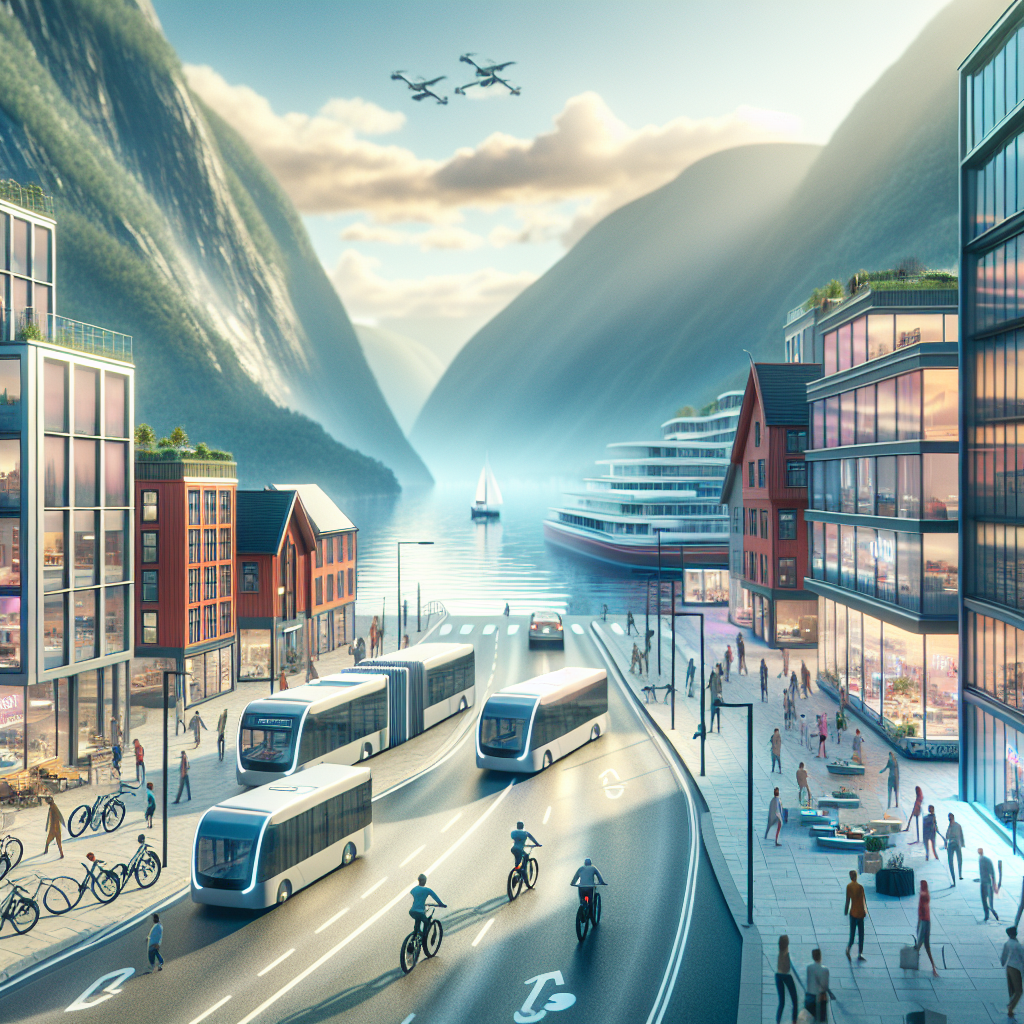
Introduction: Norway’s startup scene and the urban challenge
Norway’s tech startup ecosystem blends a deep commitment to sustainability with pragmatic solutions for modern urban life. From electrified transport to data-driven city planning, founders across Oslo, Bergen, and Trondheim are building products and services that respond to climate goals and the everyday needs of residents. This article explores major threads — mobility, climate tech, food-tech, and the cultural forces that make innovation in Norway distinct — and offers practical takeaways for founders, investors, and city planners.
Why Norway is fertile ground for sustainable tech startups
Several structural and cultural factors converge to support startup growth in Norway:
- Strong public-private collaboration: Municipalities often partner with startups on pilot projects, enabling faster real-world testing.
- Policy alignment with climate goals: National and local policies encourage electrification, low-emission zones, and circular economy initiatives.
- High digital adoption: Citizens expect modern digital services, which gives startups a receptive market for apps and services that improve urban living.
- Quality of life and talent retention: Attractive public services and a strong social safety net help retain engineering and product talent.
Urban mobility innovations to watch
Mobility is a core battleground for Norwegian startups. Solutions range from optimizing public transport to last-mile logistics and shared micromobility. Key approaches include:
Subscription and integrated ticketing
One trend is simplifying public transport access through subscription models and integrated digital tickets. Startups and municipal transit agencies are testing models that bundle multiple modes — bus, tram, ferry, and bikes — under single passes that use smart routing and dynamic pricing. For readers interested in the mechanics and citizen-facing benefits of these systems, see this primer on Subscription for public transport in Norway.
Electrification and shared fleets
Electric buses, shared electric vans, and dockless e-bikes are scaling in cities. Startups here combine fleet management software, telematics, and battery optimization services to reduce operational costs and emissions.
Data-driven demand management
AI and predictive analytics help cities match supply to demand, reducing idle vehicles and improving service frequency. Startups that can integrate with municipal data platforms and respect privacy-by-design tend to gain traction more quickly.
Climate tech and circular innovations
Norwegian founders are also addressing emissions and resource efficiency across sectors:
- Energy flexibility: Software that coordinates distributed energy resources, smart charging, and grid-balancing helps accommodate higher renewable penetration.
- Materials and waste: Startups focused on circular materials, efficient recycling, and waste-to-value projects offer municipal scalability.
- Carbon intelligence: Tools for monitoring and optimizing organizational carbon footprints are becoming enterprise staples.
Food-tech, aquaculture, and sustainability
Food-tech is a complementary strand of Norway’s innovation narrative. Given Norway’s long relationship with marine resources, startups combine traditional strengths in aquaculture with digital traceability, efficient logistics, and sustainable farming methods. For readers curious about the cultural and dietary side of Norway’s relationship with seafood, and how consumer habits intersect with tech-driven supply chains, consider this accessible guide: Getting into the seafood diet in Norway.
Time, scheduling, and operational efficiency
Timing is central to many solutions: scheduling of buses, synchronization of charging windows, and coordination across logistics chains require accurate time management and human-centered interfaces. Startups that succeed often pay attention to seemingly small cultural details about time and rhythm — local commuting patterns, seasonal rhythms, and user expectations about punctuality. For an entertaining look at how societies think about time, there are interesting resources that highlight fun facts about time and clocks, which can inform UX decisions and service design in subtle ways.
Building a product that scales in Norway and beyond
Scaling a startup from a Norwegian pilot to international markets requires both technical and non-technical considerations:
- Start local, design globally: Use municipal partnerships to launch pilots but build product architectures and APIs that can adapt to different regulatory environments.
- Interoperability: Open standards for ticketing, vehicle telemetry, and energy APIs reduce friction when integrating with cities and operators.
- Compliance and public procurement: Familiarity with procurement frameworks, privacy law, and safety standards smooths the path to municipal contracts.
- Partnerships with incumbents: Collaborations with established transport operators or energy utilities can accelerate rollout and lend credibility.
Funding, community, and staying informed
As capital moves toward climate-aligned technologies, Norwegian startups benefit from a mix of venture funding, impact investors, and strategic corporate backers. Entrepreneurs should stay plugged into the broader industry conversation and competitive landscape; global outlets and communities provide trend intelligence and deal flow insights. For industry-wide coverage and startup trends, a useful resource is Tech Startups industry news, which tracks emerging companies, funding rounds, and sector analysis.
Practical checklist for founders and policymakers
- Validate pilots with municipal partners and iterate quickly on user feedback.
- Prioritize privacy, accessibility, and interoperability from day one.
- Build robust data partnerships to enable predictive services and performance monitoring.
- Design subscription and pricing models that align incentives across users, operators, and municipalities.
- Leverage Norway’s sustainability narrative as a go-to-market advantage internationally.
Conclusion: A uniquely Norwegian path to scalable impact
Norway’s tech startups are distinctive because they marry high-tech ambition with a social contract that prioritizes livability and environmental stewardship. Whether your focus is urban mobility, climate tech, or sustainable food systems, the Norwegian ecosystem offers a rigorous proving ground and a thoughtful user base. By combining strong public collaboration, a culture of experimentation, and global ambition, startups here are not just solving local problems — they are building prototypes for cities worldwide.
Interested in exploring specific policy models or pilot frameworks for your project? Reach out to local innovation hubs and municipal partners to find the right entry points for collaboration and testing.