
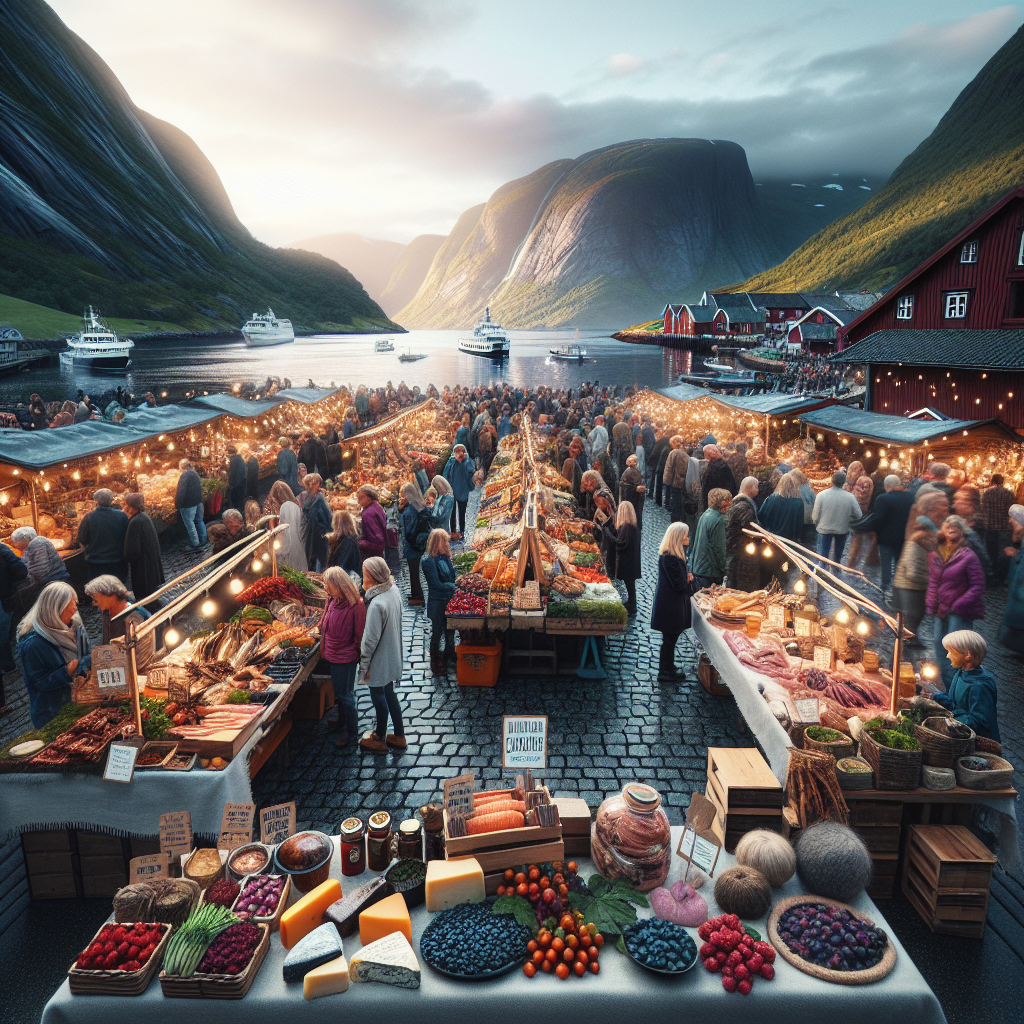
Norwegian Local Markets: Sustainable Shopping, Seasonal Finds
Local markets are the heartbeat of Norwegian towns and cities. From coastal fish markets to mountain farmer stalls, they connect producers and consumers in ways that support local economies, reduce food miles, and preserve culinary traditions. This guide covers what to expect at Norway’s markets, how to shop sustainably, and ways markets contribute to resilient communities.
Why local markets matter in Norway
Local markets do more than sell food — they strengthen social ties, provide income for small producers, and are living classrooms for seasonal eating and traditional techniques. Because Norway’s climate varies dramatically by region, markets are also an excellent place to learn about regional specialties: hardy root vegetables and cheeses inland, and fresh shellfish and small-scale aquaculture on the coast.
Economic and environmental benefits
- Shorter supply chains reduce transportation emissions and support traceability.
- Direct sales help farmers and artisans keep a larger share of the retail price.
- Markets encourage biodiversity through demand for heirloom varieties and small-batch products.
What to buy: seasonal staples and local specialties
Visiting a market is a sensory experience: bright berries, smoked fish, tangy cheeses, cured meats, hand-knitted woolens, and delicate pastries. When shopping, prioritize items that are in season and locally produced. Typical market finds include:
- Fresh-caught fish and shellfish from regional fisheries and small-scale fishers.
- Artisanal cheeses, yogurts, and farm butter from nearby dairies.
- Seasonal vegetables and berries from small farms and garden plots.
- Preserves, pickles, and rye breads rooted in Norwegian foodways.
- Handmade crafts and textiles that reflect local cultural heritage.
Learn more about finding markets
If you want a comprehensive overview of market locations and how farmers markets operate, see this farmers markets guide for useful background on vendor types and market formats.
Shopping sustainably at the market
Sustainability at markets is practical. Bring reusable bags, carry a small cooler for perishables, and buy imperfect produce that reduces food waste. Ask vendors about production methods: many small-scale Norwegian producers use low-input methods, seasonal rotations, and heritage seeds. Knowing the story behind what you buy strengthens the connection between you and the land.
Tips for conscious shoppers
- Talk to producers — ask how they grow, catch, or make their products.
- Buy what you need — plan around seasonal availability to avoid waste.
- Support value-added goods (jams, fermented items) that extend shelf life and add income for farmers.
- Prefer packaging-free options and bring containers for bulk purchases when vendors allow it.
How markets strengthen community resilience
Markets are nodes of community action. They host knowledge exchange, enable trialing of sustainable production methods, and provide affordable access to nutritious food. Municipalities and civic groups often collaborate with market organizers to integrate local procurement in schools and public events, and to pilot urban agriculture projects. For practical urban sustainability strategies and community-led initiatives that can complement market development, read more about Sustainable Living in Norway: Community Action and Urban Solutions.
Case studies and cross-sector collaborations
Successful markets often pair producers with chefs, food educators, and cultural programs to keep footfall high and broaden audience interest. They may also coordinate with conservation-minded tourism operators so that local wildlife and ecosystems are respected rather than exploited; if you’re planning tours linked to market experiences, check resources on ethical nature experiences like Responsible Wildlife Tours in Norway: Ethical Viewing and Guide Tips to ensure activities are aligned with stewardship.
Market design, logistics, and operations
Well-run markets balance vendor placement, foot traffic, and local codes. One lesser-known concept from sports and event planning — the idea of maximizing local advantage through layout and crowd flow — can be instructive for market managers thinking about how stall location influences sales and visitor experience. For a model from a different domain that explores how venue design can shape outcomes, see the hemmaplansmodellen (home-ice advantage model) which explores how environment influences performance.
Practical operational tips
- Schedule markets to match peak seasonal availability and local rhythms.
- Use clear signage and labeling to communicate origin, production methods, and allergens.
- Create flexible vendor policies that allow newcomers to trial market presence.
- Partner with local NGOs and cultural groups to host workshops and tastings that draw repeat visitors.
Getting the most out of a market visit
Arrive early to find the freshest selection and to talk with vendors before crowds arrive. Bring cash and cards — many stalls accept both — and be ready to learn a bit of local language about product names and measurements. If you’re shopping for gifts, consider purchasing small artisan items that represent regional craft traditions.
Market etiquette
- Ask before taking photos of vendors or products.
- Respect queueing and local customs around bargaining — many stalls have fixed prices.
- Take leftovers and compostable waste home or look for local compost drop-off points.
Whether you live in Norway or are visiting, local markets are a rewarding place to discover flavors, build community ties, and support regenerative local economies. Embrace seasonal rhythms, ask questions, and take home not just produce but stories that connect you to Norway’s landscape and people.