
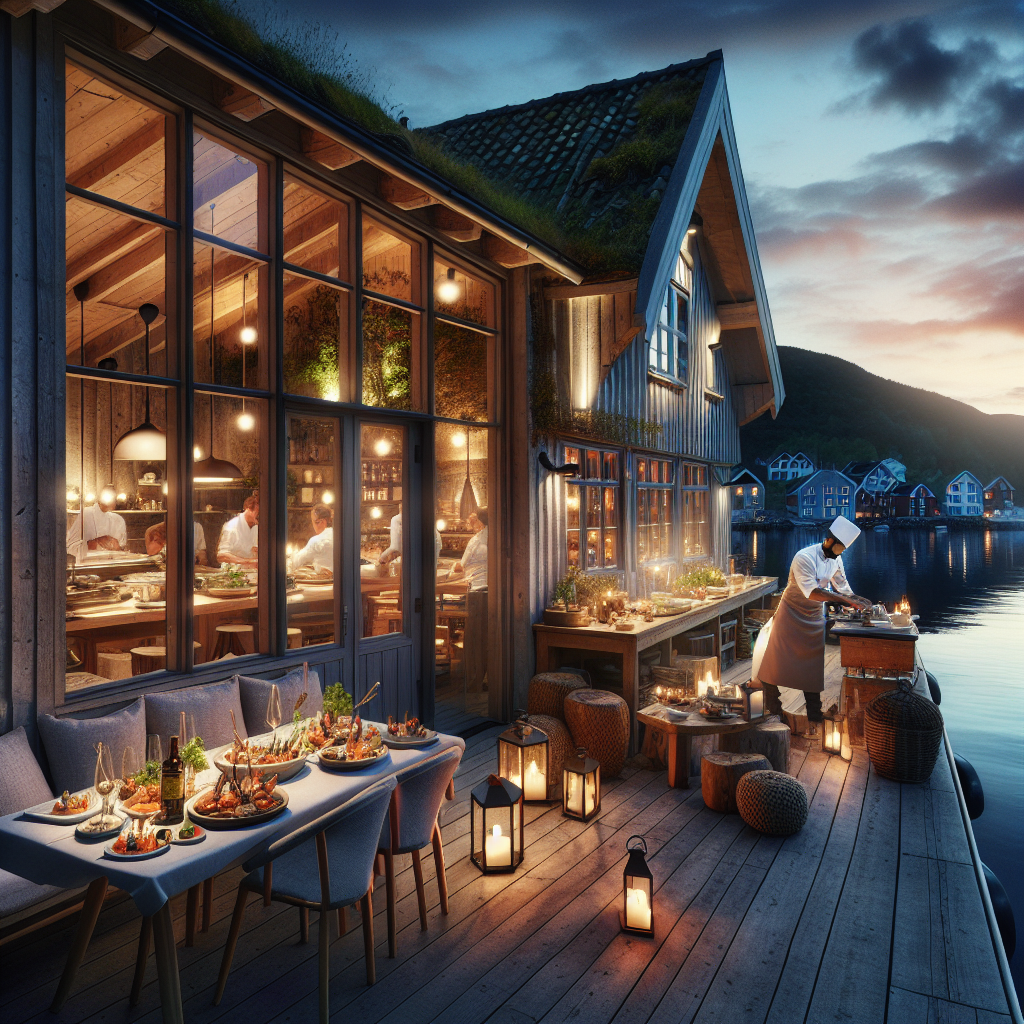
Introduction: Why Norway Is a Seafood Destination
Norway’s coastline stretches thousands of kilometers, and its cold, clean waters produce some of the world’s most prized seafood. From delicate skrei cod and sweet langoustines to ocean-cooled salmon and hand-dived scallops, the country’s culinary scene places seafood at the heart of modern Norwegian dining. This guide explains how to find great seafood restaurants, what sustainable practices to look for, how seasons shape the menu, and practical tips for visitors seeking authentic coastal flavors.
Sustainable Seafood: A Core Philosophy
Many Norwegian restaurants prioritize sustainability, sourcing from local fishermen, certified farms, and responsible suppliers. Look for menus that state origin, boat-to-table sourcing, or certification labels. Chefs commonly use whole-animal cooking to reduce waste and highlight underused species—an approach that benefits local communities and the environment.
What to look for on the menu
- Clear origin labels: fjord, municipality, or local island.
- Seasonal specials based on recent catches.
- Information about gear type (line-caught, pot-caught) which often indicates lower environmental impact.
- Vegetarian and allergen-friendly options balancing seafood-centric menus.
Seasonal Catch Guide: When to Visit for Specific Flavors
Norwegian seafood is seasonal, and timing your visit can elevate the dining experience. Spring and early summer bring rich shellfish; late winter to early spring is prized for skrei cod; late summer often highlights langoustines and crab. Restaurants will rotate menus to showcase the freshest possible ingredients—ask your server for today’s specialty.
Top Regions & Dining Experiences
Each coastal region has its own culinary character. Rather than listing individual restaurants, here are the experiences to seek out in different areas:
- Northern coast and fjords: Rustic lodges and modern tasting menus emphasize line-caught whitefish, king crab, and foraged sea herbs.
- Western fjords: Expect elegant preparations of salmon and halibut, often paired with kelp, whey, or local berries.
- Southeast and Oslo region: Urban bistros blend international techniques with classic Norwegian ingredients—great for wine and seafood pairings.
- Islands and small harbors: Family-run eateries and shacks where simplicity and freshness shine—perfect for a casual seafood lunch.
Dining formats to try
- Tasting menus that showcase a chef’s interpretation of local waters.
- Casual crab pots and shellfish platters served with local beer.
- Market stalls and fishmongers with on-site kitchens for immediate tastings.
Practical Tips for Visitors
Whether you’re a food-focused traveler or a newcomer eager to taste the fjord, practical preparation helps. Here are essentials:
- Make reservations for popular coastal restaurants, especially on weekends.
- Ask about allergens and preparation methods—Nordic chefs are used to accommodating dietary needs.
- Try the set menus or chef’s tasting to experience a curated selection of local specialties.
Getting around: driving and safety
Exploring remote coastal restaurants often means traveling by car. If you’re driving, plan for variable weather and changing road conditions. For guidance on safe tire selection, maintenance, and changing procedures relevant to driving in Norwegian conditions, see this detailed resource on how to select and change tires safely. Good preparation ensures you can reach hidden gems along fjords and islands with confidence.
Student-Friendly Seafood: Dining on a Budget
Students or short-stay scholars exploring Norway’s culinary scene can find wallet-friendly options without sacrificing quality. Many coastal towns have midday fish specials, student discounts at casual restaurants, and market stalls where prices are lower than fine dining venues. If you’re part of an exchange or academic program, local food culture is a great way to connect with peers and communities—students involved in Academic Mobility Programs in the Nordics often share tips about affordable eats and best seafood spots near campuses.
Why Food Culture Matters for International Students
Eating locally helps newcomers learn language, customs, and seasonal rhythms. If you are considering study opportunities, cultural immersion goes beyond lectures—sampling regional cuisine is part of the experience. To understand broader reasons people choose Nordic education and how it shapes life abroad, see this overview on Why study in the Nordic Universities?
Pairing and Wine Choices
Seafood pairs well with crisp, mineral-driven white wines, light rosés, and many craft beers. Norwegian restaurants increasingly feature thoughtful beverage programs that highlight natural wines, local craft breweries, and non-alcoholic pairings using botanicals and shrubs. Ask sommeliers and servers for pairing suggestions tailored to regional dishes like smoked mackerel or cured trout.
Final Tips: Make the Most of a Fjord-to-Fork Meal
- Embrace local advice: ask staff about the catch of the day and the fisher behind it.
- Look for low-waste menus and restaurants that communicate sustainability goals.
- Balance splurges with casual local favorites—both reveal different aspects of Norwegian seafood culture.
- Share dishes to taste a wider variety of specialties and preparations.
Norwegian seafood restaurants offer an appealing mix of pristine ingredients, modern culinary techniques, and strong sustainability values. Whether you’re dining in a metropolitan bistro or a seaside shack, the key is to seek freshness, ask questions about sourcing, and enjoy the deep connection between place and plate that Norway’s coastal cuisine uniquely provides.