
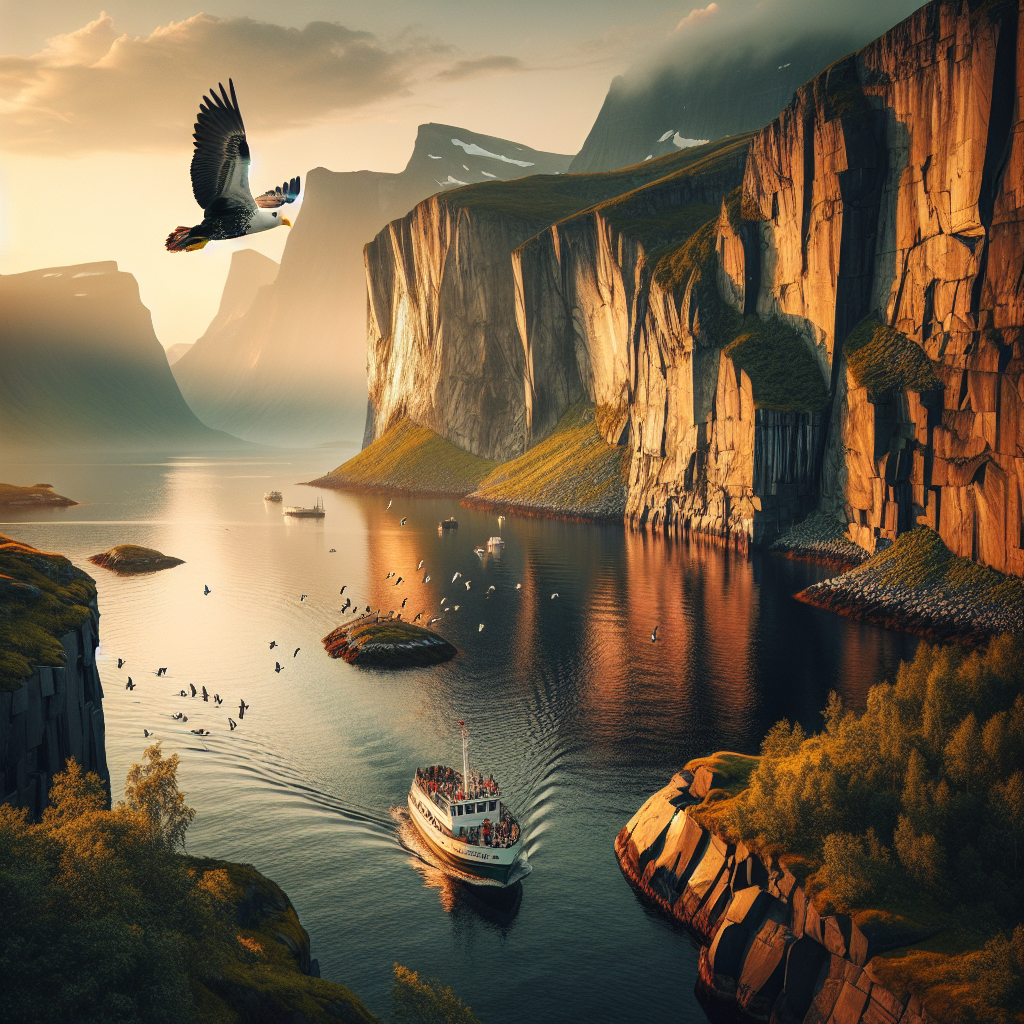
Experience Norway’s Wildlife Responsibly
Norway’s dramatic fjords, Arctic archipelagos, and vast boreal forests host a remarkable range of wildlife. From orcas gliding through coastal waters to sea eagles circling over remote cliffs, wildlife tours offer life-changing encounters. This guide explains how to choose operators, what to expect on a responsible tour, and practical tips to maximize your chances of sightings while minimizing impact.
Why Responsible Wildlife Tours Matter
Responsible wildlife tourism supports conservation, local communities, and long-term access to wild places. Ethical operators follow strict codes of conduct, keep appropriate distances, limit group sizes, and reinvest in habitat protection and research. When booking, look for companies that prioritize animal welfare and transparency about their practices.
The role of sustainable transport and logistics
Accessing remote wildlife areas requires travel, and sustainable transport choices are increasingly important. Norway’s approach to integrating low-emission transport and urban-to-rural connectivity helps reduce the footprint of travel. For a deeper look at how Norway is building greener transport systems and technologies that can support sustainable tourism logistics, read How Norwegian Tech Startups Are Shaping Sustainable Urban Mobility.
Top Wildlife and Where to See Them
- Whales: Humpbacks, orcas, and sperm whales frequent coastal waters off Troms and Vesterålen. Whale watching here is often done from small, low-impact vessels.
- Puffins: Large colonies on the Lofoten Islands and Runde are best visited by boat with operators who keep their distance from cliffs and nesting sites.
- Sea eagles: Norway hosts strong populations of white-tailed eagles; prime viewing areas include coastal fjords and river mouths.
- Reindeer and Arctic ungulates: Finnmark and inland mountain plateaus are excellent for observing semi-domesticated reindeer and wild reindeer herds.
- Arctic fox and polar specialists: Svalbard and parts of northern Norway are home to Arctic foxes and, in more remote areas, musk ox and walrus.
- Moose (elk): Widespread across forests and wetlands in southern and central Norway; dawn and dusk are prime times.
What to Expect on a Wildlife Tour
Wildlife tours are about patience and respectful observation. Expect a mix of guided land hikes, boat trips, and sometimes inflatable zodiacs for closer coastal access. Guides will brief you on safety, appropriate behavior, and the best ways to observe without disturbing animals.
Typical schedule
- Early starts for dawn or low-light animal activity.
- Time spent waiting quietly or scanning from vantage points.
- Educational briefings about species, habitats, and conservation challenges.
Choosing the Right Operator
When booking, ask about guide training, group size limits, sighting success rates, safety procedures, and how revenue supports local communities or conservation. Local operators with long-term experience are often the most reliable, and certifications or memberships in responsible-tourism networks are a good sign.
Student programs and educational tours
Many visitors combine wildlife tours with field courses or internships. Norway’s educational institutions host international students and researchers — if you’re considering blending study and fieldwork, start by exploring why students choose Nordic programs and what study pathways exist: Why study in the Nordic Universities?
Practical Tips for Ethical Viewing
- Keep a respectful distance — avoid sudden movements or loud noises.
- Follow guide instructions about approach angles and photography.
- Pack out all waste and choose reusable food and drink containers.
- Dress for changeable conditions and bring binoculars and a telephoto lens.
- Consider carbon offsets or choose operators that minimize emissions.
Understanding Chance and Expectations
Wildlife sightings are never guaranteed; nature is inherently unpredictable. Some travelers expect certainty and compare probabilities to other industries where odds are calculated. For context on how different sectors assess unpredictability — for instance, how odds for live events are calculated and reported — see this discussion about the accuracy of casino odds for live events. In wildlife tourism, ethical operators emphasize realistic expectations and prioritize animal welfare over contrived encounters.
Conservation Links and Responsible Travel Resources
Tourism can be a powerful force for conservation when paired with credible organizations. Global conservation travel initiatives help connect travelers with projects that support habitats and local communities. Learn more about reputable conservation travel programs and responsible wildlife experiences through resources such as WWF travel conservation experiences, which outline best practices for wildlife tourism and community engagement.
Packing Checklist for a Norway Wildlife Tour
- Waterproof outer layers and layered clothing
- Sturdy, comfortable boots
- Binoculars and camera with a long lens
- Reusable water bottle and snack containers
- Small first-aid kit and any personal medications
- Portable charger and spare batteries for electronics
Final Thoughts
Norway’s wildlife tours offer immersive experiences that can transform how you view nature — provided they are approached with respect, preparation, and an eye toward conservation. Choose operators committed to ethical practices, set realistic expectations, and use your visit to support local communities and conservation initiatives. With the right approach, your wildlife tour will leave you with lasting memories and a deeper appreciation for Norway’s wild places.