
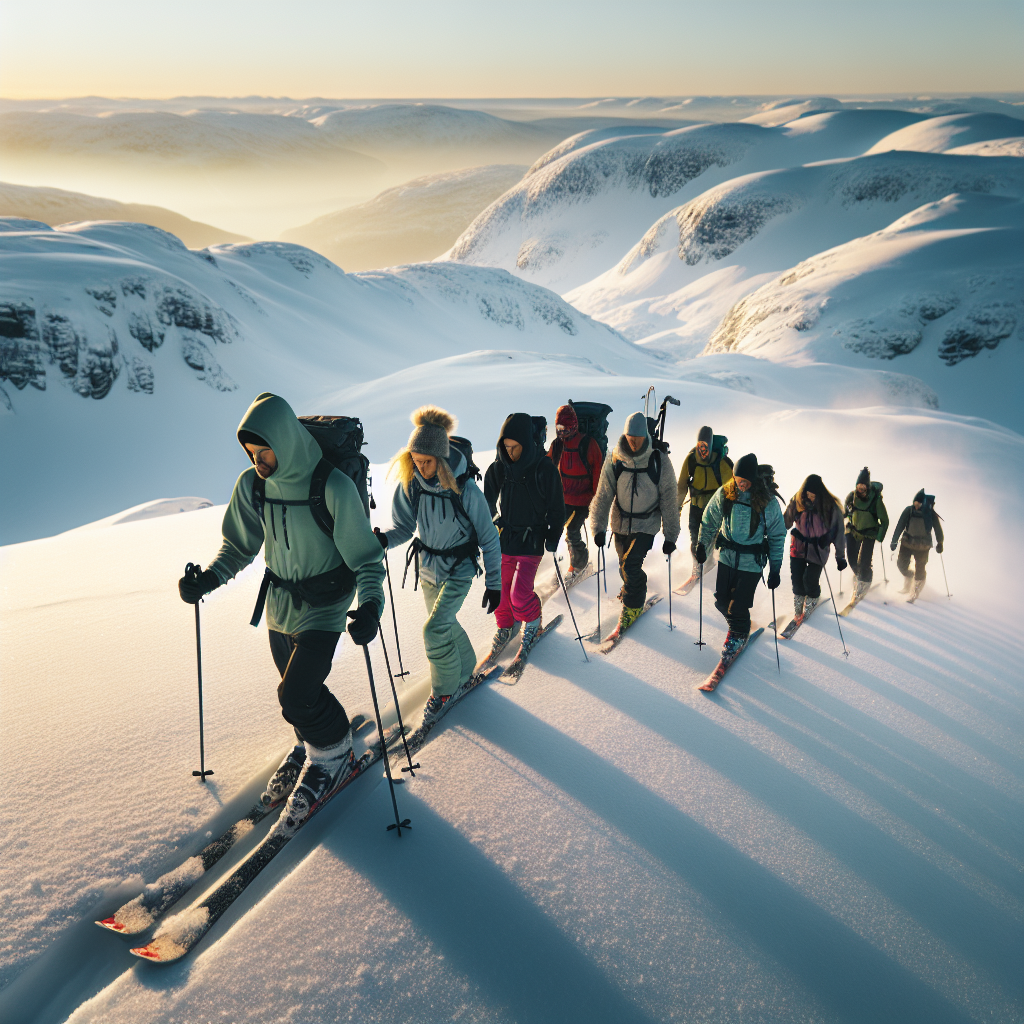
Introduction: Why Ski Touring Fits Norway’s Winter Landscape
Norway’s fjords, plateaus and mountain ranges make it one of the world’s premier destinations for ski touring and other Winter sports. Whether you’re a day-trip cross-country skier or a multi-day backcountry tourer, combining safety with a low-impact approach ensures the country remains spectacular for generations of outdoor enthusiasts.
What Winter Sports Encompass
If you want a quick primer, Winter sports includes everything from alpine skiing and cross-country to ski touring, snowshoeing and ice climbing. In Norway, the line between recreation and wilderness often blurs: many trails and descents take you far from marked slopes, so preparation and respect for nature are vital.
Core Principles for Safe and Sustainable Ski Touring
Good technique and proper equipment matter, but equally important are habits that reduce your environmental footprint and minimize disturbance to wildlife and local communities.
Safety First: Skills, Planning and Avalanche Awareness
- Learn avalanche theory and practice with certified instructors before heading into the backcountry.
- Use route planning tools and local forecasts; Norwegian mountain condition reports and local guide services provide up-to-date information.
- Carry and know how to use an avalanche transceiver, probe and shovel. Practice with them regularly.
- Travel with partners and set turnaround times; poor visibility and weather can change conditions quickly in fjord and mountain terrain.
Gear and Footwear Care
Proper boot and binding maintenance extends gear life and improves safety. For everyday footwear and training shoes, this guide to cleaning, drying and storage tips for training shoes offers practical steps that translate to winter footwear too: dry boots thoroughly after use, avoid prolonged heat that damages materials, and store in a cool, ventilated place. For touring-specific gear, inspect skins, bindings and poles before each trip.
Respecting Wildlife and the Land
Winter is a sensitive time for many species. Animals have limited energy reserves, and disturbance can cause stress or force them to use extra calories to flee. As a responsible skier, minimize disturbance and follow published guidelines.
Practical Wildlife Etiquette
- Maintain distance: avoid approaching or surrounding animals.
- Keep noise low and avoid sudden movements, especially near sheltered valleys and known denning areas.
- Time your routes to avoid critical periods like wintering or breeding habitats in valleys and lowlands.
- If you seek wildlife experiences, consider guided options that prioritize animal welfare and local knowledge. See more about ethical approaches in Responsible Wildlife Tours in Norway: Ethical Viewing and Guide Tips.
Low-Impact Practices for Touring Groups
When groups travel together, small changes make a big difference to fragile winter ecosystems and rural communities.
- Stick to hardened trails where possible to avoid trampling vegetation under shallow snow.
- Use minimal-impact campsites: avoid flat, exposed ridges with vegetation under thin snowpacks and follow local rules for fires and waste.
- Carry out all trash, including organic waste like orange peels that can attract animals when snow melts.
- Share transport to trailheads and favor public transport or community shuttles where available to reduce emissions and parking pressure on small villages.
Community and Conservation: Working with Locals
Many rural communities manage trails, huts and wildlife corridors. Respecting local guidance benefits both visitors and residents. Read about grassroots efforts in Community-Led Conservation: Protecting Norway’s Nature Together to understand how community stewardship supports sustainable winter access.
Support Local Services
- Hire local guides who know seasonal hazards and cultural sensitivities.
- Book accommodation and meals in villages en route to contribute to the local economy.
- Report trail damage or wildlife incidents to municipal or conservation contacts so problems are addressed promptly.
Practical Checklist Before You Go
- Route plan and leave trip details with someone at home.
- Check avalanche bulletins and weather reports the morning of departure.
- Inspect equipment: skins, boots, bindings, poles, repair kit, and first aid supplies.
- Pack food, emergency shelter and a charged communication device with spare batteries.
- Dress in layers and bring a small repair kit—simple fixes can keep you moving safely.
Learning and Growing as a Responsible Winter Sports Participant
Ski touring in Norway is both a personal challenge and a privilege. Investing in skills courses, participating in local stewardship events and choosing low-impact routes keeps the mountains accessible and wild. Read more on ethics, wildlife-friendly viewing and guide tips in the linked resources above and incorporate their guidance into every trip.
Conclusion
Combining modern safety practices with respect for wildlife and community-led conservation ensures Norway remains a top destination for Winter sports. By preparing thoroughly, maintaining gear, minimizing impact and supporting local initiatives, you can enjoy unforgettable tours while protecting the landscapes and species that make these experiences unique.